
Comparative baseline: define paper and plastic takeaway packaging, trace the material shift driven by plastic bans and customer expectations, and frame the core trade-offs of cost, performance, and sustainability.
Paper takeaway packaging typically refers to containers, wraps, and bags made from kraft paper, molded pulp, or coated paperboard. Plastic packaging includes items made from PET, PP, PS, and expanded polystyrene (EPS) foam. Over the past decade, single-use plastic bans and growing consumer demand for eco-friendly options have pushed many takeaway brands toward paper alternatives.
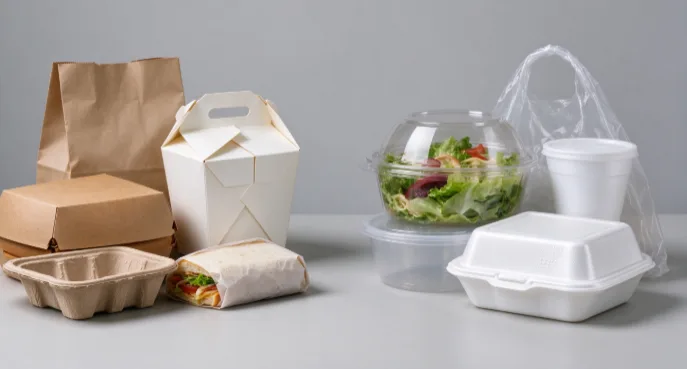
Operational performance and cost analysis: compare unit price at volume, grease and heat resistance, leak and crush protection, freezer and microwave compatibility, stackability and storage footprint, plus minimum order quantities and supply reliability.
However, the shift is not straightforward. Paper often costs more per unit, offers less grease and moisture resistance without coatings, and can be heavier to ship. Plastic remains cheaper, lighter, and highly effective at leak and crush protection. The core trade-off is clear: paper appeals to sustainability-minded customers but may strain margins and operational performance; plastic delivers reliability and low cost but faces regulatory and reputational risks. Understanding these trade-offs is essential before choosing a packaging strategy. This baseline comparison sets the stage for deeper operational and environmental analysis. Material innovation is rapidly changing these trade-offs.
At high volumes, plastic containers generally cost 20–40% less than comparable paper options. Paper’s grease and heat resistance often requires added coatings or liners, which increase cost and can complicate compostability. Plastic excels in leak and crush protection, making it ideal for saucy or heavy dishes. For freezer and microwave compatibility, polypropylene (PP) containers perform well, while most paper containers need specific coatings to handle both.
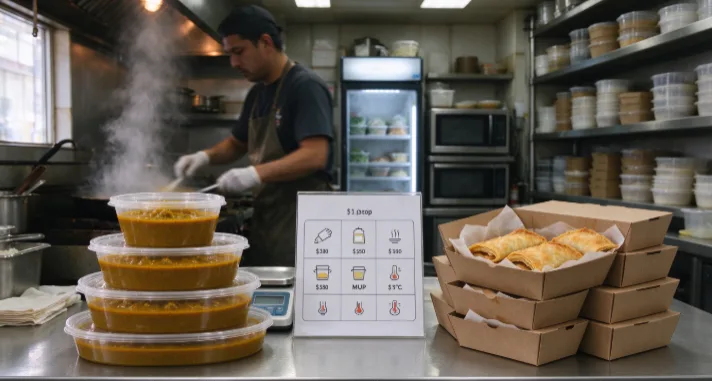
Stackability and storage footprint matter in tight kitchen spaces. Plastic containers often nest more efficiently, reducing storage needs. Paper alternatives may require more shelf space due to bulkier designs. Minimum order quantities (MOQs) can be higher for specialized paper products, and supply reliability may fluctuate with pulp prices and coating availability. Plastic supply chains are more mature but vulnerable to resin price spikes and ban-related disruptions. Balancing these operational factors against cost is critical for takeaway brands. For example, a busy delivery kitchen might choose PP containers for curries but paper boxes for dry pastries. Always request samples before committing to a large order.
Environmental impact and regulatory pressure: assess recyclability versus compostability, real-world recycling rates, carbon and water footprint per unit, single-use plastic bans, EPR fees, and how compliance timelines differ by region.
Recyclability and compostability are often confused. Plastic containers are technically recyclable, but real-world recycling rates for takeaway packaging remain low—often below 20% globally—due to contamination and limited facilities. Paper is biodegradable and compostable in industrial settings, but most paper takeaway items end up in landfill because of food residue or lack of composting access.
Brand perception and customer experience: examine how paper and plastic packaging shape delivery quality, food presentation, unboxing on social media, leakage complaints and refunds, and willingness to pay a premium for eco-friendly materials.
Carbon and water footprints vary widely. Producing virgin paper can be water-intensive, while plastic production is carbon-heavy. However, lightweight plastic generates fewer emissions during transport. Single-use plastic bans are spreading, from the EU’s Single-Use Plastics Directive to local ordinances in the US and Asia. Extended Producer Responsibility (EPR) fees now penalize non-recyclable packaging. Compliance timelines differ: the EU phases in bans through 2030, while some US states enforce rules by 2025. Brands must track regional regulations to avoid penalties and adjust sourcing accordingly. Some regions offer subsidies for compostable packaging, offsetting higher upfront costs. For example, the EU’s Packaging and Packaging Waste Regulation sets strict recyclability targets for 2030.
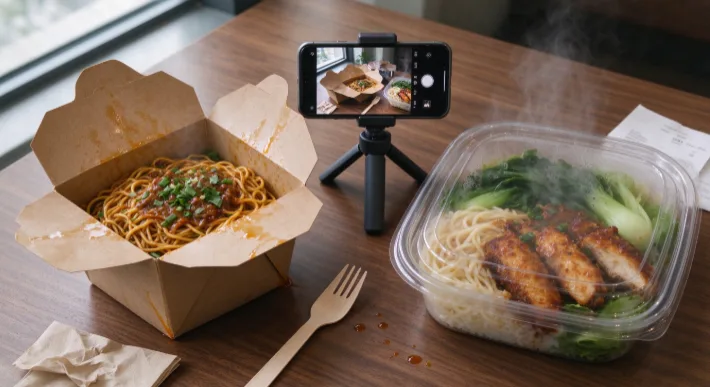
Packaging directly influences delivery quality. Plastic containers resist leaks and sogginess, preserving food presentation during transit. Paper packaging can look more premium and photograph better for social media unboxing, but it may soften with greasy or wet dishes, leading to leakage complaints and refunds.
Decision framework for takeaway brands: match packaging choices to menu type and delivery distance, model total cost of ownership after compliance fees, pilot and measure, and build a phased roadmap toward recyclable or compostable formats with clear on-pack disposal messaging.
Customers increasingly associate paper with sustainability, and many say they would pay a premium for eco-friendly packaging. However, that willingness varies by market and menu price point. A 2023 survey found that 60% of diners would pay 5–10% more for compostable packaging, but only if it performs well. Leakage and crushed containers quickly erode trust, regardless of material. Brands must balance aesthetic appeal and sustainability messaging with reliable performance to protect their reputation and avoid costly refunds. Social media amplifies both positive unboxing and negative leakage posts, so consistency is key. Clear disposal instructions also improve recycling rates and reduce contamination. Transparent communication about packaging choices can turn a cost into a brand asset.
Start by matching packaging to your menu and delivery radius. Greasy, saucy, or long-distance deliveries often demand plastic’s barrier properties. Dry items and short trips may suit paper. Next, model total cost of ownership (TCO) including unit price, EPR fees, storage, and waste disposal. A plastic container that costs less upfront may become expensive after compliance fees.
Pilot changes with a limited menu and measure leakage rates, customer feedback, and cost per order. Use data to refine. Build a phased roadmap: begin with recyclable or compostable formats for high-visibility items, then expand. Add clear on-pack disposal messaging to guide customers and reduce contamination. For example, “Rinse and recycle” or “Compostable in industrial facilities.” This approach reduces risk while moving toward sustainability goals. Ultimately, the best choice depends on your specific operations, regulations, and brand values. Regularly review your packaging mix as new materials and rules emerge. Document your findings to build a business case for broader adoption.
FAQ
Is paper or plastic better for takeaway food packaging?
There is no universal winner; the better choice depends on your menu, delivery distance, budget, and regulations. Paper appeals to sustainability-minded customers but often costs more and offers less grease and moisture resistance without coatings. Plastic is cheaper, lighter, and highly effective at leak and crush protection, but it faces regulatory and reputational risks. Brands need to weigh these trade-offs before choosing a packaging strategy.
Why is paper takeaway packaging often more expensive than plastic?
Plastic containers generally cost 20–40% less than comparable paper options at high volumes. Paper often needs added coatings or liners for grease and heat resistance, which increases cost and can complicate compostability. Paper can also be heavier to ship. These factors can make paper more expensive per unit and in logistics.
Which packaging protects saucy or heavy dishes better?
Plastic generally protects saucy or heavy dishes better because it excels at leak and crush protection. It is ideal for dishes that are saucy or heavy, and it resists leaks and sogginess during transit. Paper may soften with greasy or wet dishes, leading to leakage complaints and refunds. For example, a busy delivery kitchen might choose PP containers for curries but paper boxes for dry pastries.
Are paper takeaway containers actually compostable and plastic containers recyclable?
Technically, paper is biodegradable and compostable in industrial settings, and plastic containers are recyclable. In practice, real-world recycling rates for takeaway packaging remain low, often below 20% globally, due to contamination and limited facilities. Most paper takeaway items also end up in landfill because of food residue or lack of composting access. So recyclable or compostable labels do not guarantee that packaging will be diverted from landfill.
How do plastic bans and EPR fees affect takeaway packaging choices?
Single-use plastic bans and Extended Producer Responsibility fees are spreading, and they penalize non-recyclable packaging. Compliance timelines differ: the EU phases in bans through 2030, while some US states enforce rules by 2025. Brands must track regional regulations to avoid penalties and adjust sourcing accordingly. Some regions offer subsidies for compostable packaging, which can offset higher upfront costs.
Will customers pay more for eco-friendly takeaway packaging?
Many customers associate paper with sustainability, and some say they would pay a premium for eco-friendly packaging. A 2023 survey found that 60% of diners would pay 5–10% more for compostable packaging, but only if it performs well. Leakage and crushed containers quickly erode trust, regardless of material. Willingness to pay also varies by market and menu price point.
How should a takeaway brand choose between paper and plastic packaging?
Start by matching packaging to your menu and delivery radius: greasy, saucy, or long-distance deliveries often need plastic barrier properties, while dry items and short trips may suit paper. Next, model total cost of ownership, including unit price, EPR fees, storage, and waste disposal. Pilot changes with a limited menu and measure leakage rates, customer feedback, and cost per order. Then use that data to build a phased roadmap and add clear on-pack disposal messaging.
Is paper packaging better for social media and brand image?
Paper packaging can look more premium and photograph better for social media unboxing, which can support a brand’s sustainability image. However, it may soften with greasy or wet dishes and cause leakage complaints. Customers value eco-friendly packaging, but performance matters, and leakage or crushed containers erode trust. Clear disposal instructions and transparent communication can turn packaging choices into a brand asset.